
Generally, exterior wood siding and trim should be repainted every 5 to 7 years. Stucco or brick can last a bit longer. However, horizontal surfaces like decks and fences require staining and sealing every 2 to 3 years to defend against standing water, harsh weather conditions, and heavy foot traffic.
Transform Your Space: Top Home Painting and Exterior Trends for 2026
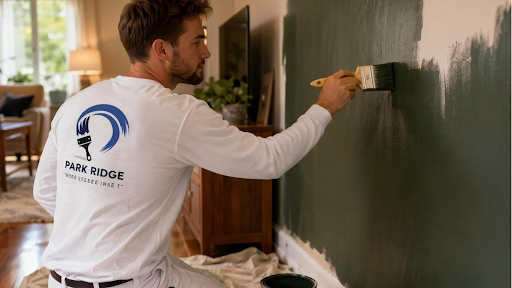
Is your home looking a bit tired after surviving another brutal Illinois winter, or are you simply ready to breathe new life into your living spaces this year? Your home is your most significant investment, and maintaining its aesthetic and structural integrity is a year-round responsibility. As we move through 2026, homeowners are looking for ways to combine modern design aesthetics with durable, weather-resistant protection.
Whether you are preparing to list your property on the competitive real estate market or simply want to elevate your family’s daily living environment, a fresh coat of paint is the highest-ROI improvement you can make. However, achieving that flawless, magazine-worthy finish requires more than just a roller and a bucket of paint. From precision interior painting to high-end exterior finishes and critical structural repairs like drywall and plaster maintenance, creating a beautiful home demands a strategic, professional approach.
In this comprehensive guide, we are diving deep into the definitive home painting and curb appeal trends of 2026, providing you with actionable insights to elevate your Park Ridge property's value, functionality, and aesthetic appeal.
1. The 2026 Color Palette: Moving Toward Warm Earth Tones and Moody Accents
The interior design landscape of 2026 has officially shifted away from the stark, clinical whites and cool, sterile grays that dominated the previous decade. Today's homeowners are craving warmth, comfort, and a deeper connection to nature within their indoor spaces.
Rich, Earthy Neutrals Take Center Stage
Instead of traditional beige or builder-grade white, interior spaces are being transformed by rich mushroom tones, soft terracotta, warm taupes, and sophisticated sandy hues. These colors create an inviting, grounded atmosphere that pairs beautifully with natural wood accents, organic textiles, and modern stone finishes. These shades also reflect natural light in a way that makes living rooms and bedrooms feel more expansive and welcoming.
Deep Moody Accents for Drama and Depth
For those looking to make a bolder statement, deep forest greens, charcoal with warm brown undertones, and saturated midnight blues are dominating accent walls, built-in shelving, and kitchen cabinetry. When applied by professional hands, these rich shades add intense architectural interest and an upscale, boutique-hotel feel to standard living areas. Using these darker shades strategically can anchor a room and highlight your home's best architectural features.
2. Exterior Painting and Staining: Protecting Your Home Against Mid-Western Elements
In regions like Park Ridge that experience dramatic seasonal shifts, exterior maintenance is never just about cosmetic appeal. It is a vital, non-negotiable shield for your home's structural framework. For the season's exterior palettes in particular, see our 2026 exterior painting trends guide.
The Power of High-Quality Exterior Staining
Decks, fences, and natural wood siding are highly vulnerable to moisture rot, pest infiltration, and intense UV damage. Applying professional-grade exterior staining and sealing ensures the wood retains its natural beauty while preventing splitting, warping, and splintering. The trend for 2026 leans heavily toward semi-transparent matte stains that highlight organic wood grains while offering maximum water-repellent and UV-blocking capabilities.
Why Surface Prep Dictates Longevity
You simply cannot achieve a high-end exterior paint finish without meticulous preparation. In fact, professional painters spend up to 80% of their time on prep work. Before any paint touches a surface, expert crews focus heavily on:
- Power Washing: Safely stripping away years of accumulated dirt, mold, mildew, and chalking old paint without damaging the underlying siding.
- Scraping and Sanding: Removing failing paint layers to create a smooth, receptive canvas for the new primer.
- Caulking and Sealing: Sealing joints, window perimeters, and door frames to keep moisture out, prevent wood rot, and maximize your home's energy efficiency.
3. The Structural Foundation: Why Surface Repairs Matter Most
Even the most premium, expensive paint on the market will fail if it is applied over damaged, deteriorating surfaces. True craftsmanship addresses what lies beneath the surface layer.
Drywall and Plaster Repair Are Crucial
Settling foundations, seasonal humidity fluctuations, and everyday wear-and-tear inevitably lead to unsightly cracks, dents, and water stains on walls and ceilings. Trying to paint over these flaws will only highlight them.
- Drywall Repair: This is essential for modern homes. It involves patching holes left by artwork, repairing seamless joints, and fixing damaged corner beads so walls look brand new.
- Plaster Repair: A specialized, traditional skill vital for historical or older homes in the Park Ridge area. Plaster repair preserves historical architectural elements while creating a smooth, strong foundation for fresh paint layers.
Addressing these structural and surface flaws before painting begins prevents underlying issues from telegraphing through your beautiful new topcoat, ultimately saving you thousands of dollars in premature touch-ups down the road.
4. Actionable Checklist for Your Next Painting Project
To ensure your next home improvement project delivers maximum return on investment and a stress-free experience, follow this strategic roadmap:
- Assess Before You Aesthetic: Walk your property line carefully. Look for peeling paint on your siding, cracked caulk around windows, or soft spots in wood trims that indicate rot. Note these down for your contractor.
- Test Samples in Real-World Light: Paint colors shift dramatically between morning sunlight, afternoon shadows, and evening LED lighting. Always paint a small test patch on different walls and observe it for 24 hours before committing to a full room.
- Hire Fully Insured, Local Specialists: Protect your liability and your wallet. Ensure the painting team you bring onto your property is fully insured, properly licensed, and highly rated by past homeowners in your community.
- Prioritize Low-VOC Paints: For interior projects, request zero or low-VOC formulas to ensure optimal indoor air quality for your family and pets.
Conclusion
Elevating your home's aesthetic appeal in 2026 requires balancing contemporary interior design styles with rigorous, protective exterior maintenance. Whether you are refreshing your living spaces with warm, modern neutrals or securing your exterior siding against harsh seasonal elements, a professional touch ensures flawless execution and lasting durability. By investing in proper drywall and plaster repairs, meticulous caulking, and expert paint application, your home will remain a beautiful, highly protected, and high-value asset for many years to come.
Ready to put these 2026 trends to work on your home? The team at Park Ridge Painting Service handles interior painting, exterior painting, drywall and plaster repair, power washing, and deck staining for homeowners in Park Ridge, IL and nearby communities. Request your free estimate or call (847) 384-9088 to speak with a local painting specialist.
Frequently Asked Questions (FAQs)
Yes. Professional surface repair specialists can patch holes, fix settling cracks, and remediate minor water damage as a standalone service. However, applying a fresh coat of paint over the entire wall afterward is highly recommended to blend the repaired area seamlessly with the rest of the room.
Power washing removes embedded dirt, mildew, mold, and loose debris from your home's exterior. Without this critical step, the new layer of primer and paint will adhere to the surface dirt rather than the actual structure, causing the new paint job to blister, peel, and fail prematurely.
Caulking acts as your home's first line of defense against the elements. It seals dangerous gaps around windows, doors, and trim boards. This prevents water from infiltrating your walls—which causes expensive wood rot and toxic mold growth—while also minimizing drafts to help lower your seasonal heating and cooling bills.
The best approach is to contact a reputable, licensed local painting contractor to schedule a precise on-site assessment. Because every home has different surface conditions and repair needs, an in-person evaluation ensures you receive an accurate, no-obligation estimate tailored explicitly to your property.